
Bed sheets are sold by mattress size, but the numbers on the packet are not the mattress numbers. A fitted sheet is cut to the exact footprint of the bed, a flat sheet is cut far larger, and the pocket depth decides whether the corners stay on through the night. This chart lists standard US sheet sizes for every bed — the mattress each one fits, the flat and fitted dimensions, and the pocket depth to look for.
If you only remember one rule, make it this one: match the fitted sheet to your mattress footprint first, then match the pocket to its thickness. A Queen fitted sheet is always 60 × 80 inches, but a 14-inch pillow-top needs a deep pocket that a standard pocket cannot hold.
Short answer: Sheet sizes follow the mattress. A fitted sheet is cut to the exact mattress footprint — a Queen fitted sheet is 60 × 80 inches — while a flat sheet is cut much larger, about 90 × 102 inches for a Queen, so it can tuck in and drape over the sides. The chart below gives every standard size; pocket depth is the one number to check before you buy.
Sheet Sizes Chart: Flat and Fitted Dimensions
The sheet sizes in this chart are the standard US sizes, in inches. Fitted dimensions are simply the mattress footprint; flat dimensions vary by an inch or two between brands.
| Size | Mattress (in) | Flat Sheet (in) | Fitted Sheet (in) |
|---|---|---|---|
| Crib | 28 × 52 | — | 28 × 52 |
| Twin | 38 × 75 | 66 × 96 | 38 × 75 |
| Twin XL | 38 × 80 | 66 × 102 | 38 × 80 |
| Full | 54 × 75 | 81 × 96 | 54 × 75 |
| Queen | 60 × 80 | 90 × 102 | 60 × 80 |
| King | 76 × 80 | 108 × 102 | 76 × 80 |
| California King | 72 × 84 | 108 × 102 | 72 × 84 |
| Split King | 2 × 38 × 80 | 108 × 102 (King flat) | 2 × 38 × 80 |
Crib sheets are almost always sold as fitted only — a loose flat sheet is a safety hazard in a crib, so there is no standard crib flat sheet. The mattresses themselves are covered in our mini crib mattress size guide (24 × 38); a standard crib is 28 × 52. Not sure which footprint you have? The mattress size guide walks through every size, and the two most-searched footprints are covered in depth in our Queen size mattress dimensions and King size bed dimensions guides.

Fitted Sheet Pocket Depth: The Number That Decides the Fit
Pocket depth is the depth of the fitted sheet’s corner pocket — in plain terms, how thick a mattress it can wrap around and grip. Of all the sheet sizes on the chart, the footprint is the easy part; pocket depth is where fits fail. A sheet with the right footprint and the wrong pocket will still pop off at 2 a.m. The Sleep Foundation’s mattress sizes guide lists the same standard footprints used in the chart above — it is the thickness, not the footprint, that varies from bed to bed.
| Mattress Height (incl. topper) | Pocket to Buy | Typical Pocket Depth |
|---|---|---|
| Up to 11″ | Standard pocket | 7″–12″ |
| 12″–15″ | Deep pocket | 13″–17″ |
| 16″ and over | Extra-deep pocket | 18″–22″+ |
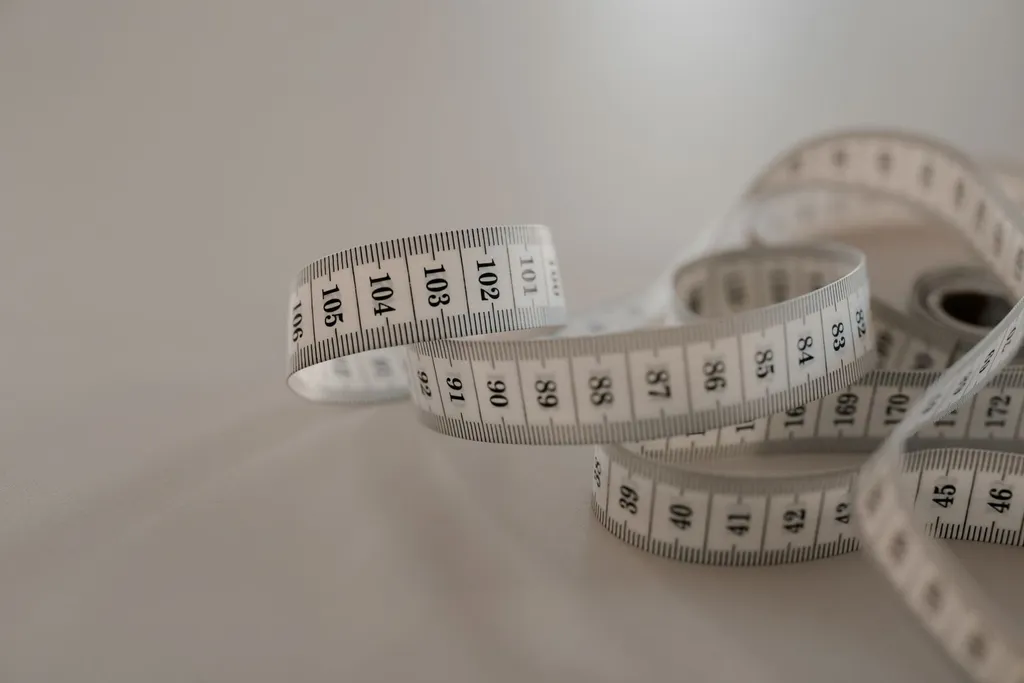
Measure the full height of your bed — mattress plus any topper, pad or protector — with the tape running over the thickest point, usually the centre of a pillow-top. Then choose a pocket at least 1–2 inches deeper than that number, so the elastic tucks fully underneath. Too deep is not harmless either: the spare fabric wrinkles and bunches under the sleeper.
Flat vs Fitted Sheets: Why Flat Sheets Are So Much Bigger
A flat sheet is not mislabeled when it measures a foot wider than the bed. A flat sheet has to do three jobs a fitted sheet does not: drape over both sides of the mattress, fold back at the head, and tuck under the foot. A Queen flat at 90 × 102 inches against a 60 × 80 mattress leaves roughly 15 inches of drape on each side and 22 inches of length for the fold-back and tuck.
That oversizing is also why flat sheets are forgiving between sizes — a Queen flat works acceptably on a Full bed — while fitted sheets are not. The fitted sheet has nowhere for spare fabric to go, and nowhere to borrow it from. That is the logic behind all standard sheet sizes: flats are cut to drape, fitteds are cut to grip.
How to Choose the Right Sheet Size
- Measure the mattress first. Length and width, edge to edge, before you shop — labels wear off, and “double” and imported sizes hide surprises. Measure the bare mattress, not the made-up bed.
- Check the pocket depth, not just the size name. Two sheets both labeled Queen can have pockets 5 inches apart in depth. Match the pocket to your measured height using the table above.
- Size the pocket up for thick setups. Pillow-tops, memory-foam toppers and thick protectors all add height. You rarely need the next footprint up — you need the deeper pocket in your own size. As the Sleep Foundation’s mattress shopping guide advises, bedding should be chosen after the mattress, and its full thickness, is known.
- Beware the Short Queen. RV and camper Queens are often 60 × 75 inches, not the standard 80. A standard Queen fitted sheet is 5 inches too long for one and will never sit flat — buy sheets labeled Short Queen or RV Queen instead.
Sheet Sizes for Special Beds: Split King, RV and Crib
Split King. A split king is two Twin XL mattresses side by side, so it dresses as two Twin XLs underneath — two 38 × 80 fitted sheets — with a single King flat sheet (108 × 102) on top. Always buy the fitted sheets as separate Twin XLs, especially on an adjustable base, where each side has to move independently.
RV sizes. RVs also use short kings, bunks and three-quarter widths that no standard sheet fits well. Measure the platform, then compare it against our RV mattress sizes chart before ordering.
Crib and mini crib. Crib fitted sheets are 28 × 52 inches and mini crib fitted sheets are 24 × 38 inches. Both are fitted-only for safety, and a snug fit matters more here than anywhere else — a crib sheet should need a firm pull to get the last corner on.
Related Mattress Size Guides
- Queen Size Mattress Dimensions — 60″ × 80″, the most common footprint
- King Size Bed Dimensions — 76″ × 80″
- Mattress Size Guide — every size, one chart
- RV Mattress Sizes — Short Queen, bunks and three-quarter sizes
- Mini Crib Mattress Size — 24″ × 38″
Sources: Sleep Foundation — Mattress Sizes guide; Sleep Foundation — Mattress Shopping guide.
Frequently Asked Questions
Are queen sheets the same as full sheets?
No. A Queen fitted sheet is 60 × 80 inches and a Full fitted sheet is 54 × 75, so a Full fitted will not stretch over a Queen mattress, and a Queen fitted bunches loosely on a Full. The flat sheets are closer in size, but they are cut differently too.
What size sheet do I need for a 12-inch mattress?
A deep-pocket fitted sheet (13–17 inch pocket). A standard pocket, made for mattresses up to about 11 inches, will keep popping off a 12-inch mattress — and measure again with any topper on, because the topper counts.
Do Twin XL sheets fit a Twin bed?
The fitted sheet does not fit well: at 38 × 80 inches it is 5 inches longer than a Twin mattress (38 × 75), so the corners slide and the fabric wrinkles. A Twin XL flat sheet (66 × 102) works fine on a Twin — you just get extra tuck at the foot.
What is a Split King sheet set?
It is a set built for two Twin XL mattresses pushed together: two Twin XL fitted sheets (38 × 80 each), one King flat sheet (108 × 102), and usually two sets of pillowcases. The split lets each side of an adjustable base move on its own.
Why is my fitted sheet loose, or why won’t it stay on?
Both problems are pocket depth. If the sheet pops off, the pocket is too shallow for your mattress height; if it wrinkles and bunches, the pocket is too deep. Measure the mattress including any topper and choose a pocket 1–2 inches deeper than that height.