
Mini Crib Mattress Size
Quick answer: a mini crib mattress is 24 inches wide × 38 inches long (61 × 97 cm). It fits mini cribs — the compact cribs made for small nurseries, apartments and grandparents’ homes — and it is not the same size as a standard crib mattress.
Short answer: The standard mini crib mattress size is 24 inches wide × 38 inches long (61 × 97 cm). Most families upgrade the thin pad a mini crib ships with to a 3-inch or 5-inch mattress, and most babies outgrow the mini crib at around 18–24 months.
Mini Crib Mattress Dimensions
| Measurement | Inches | Centimeters |
|---|---|---|
| Width | 24″ | 61 cm |
| Length | 38″ | 97 cm |
| Thickness | 1″–5″ options (3″–5″ most common) | 2.5–13 cm |
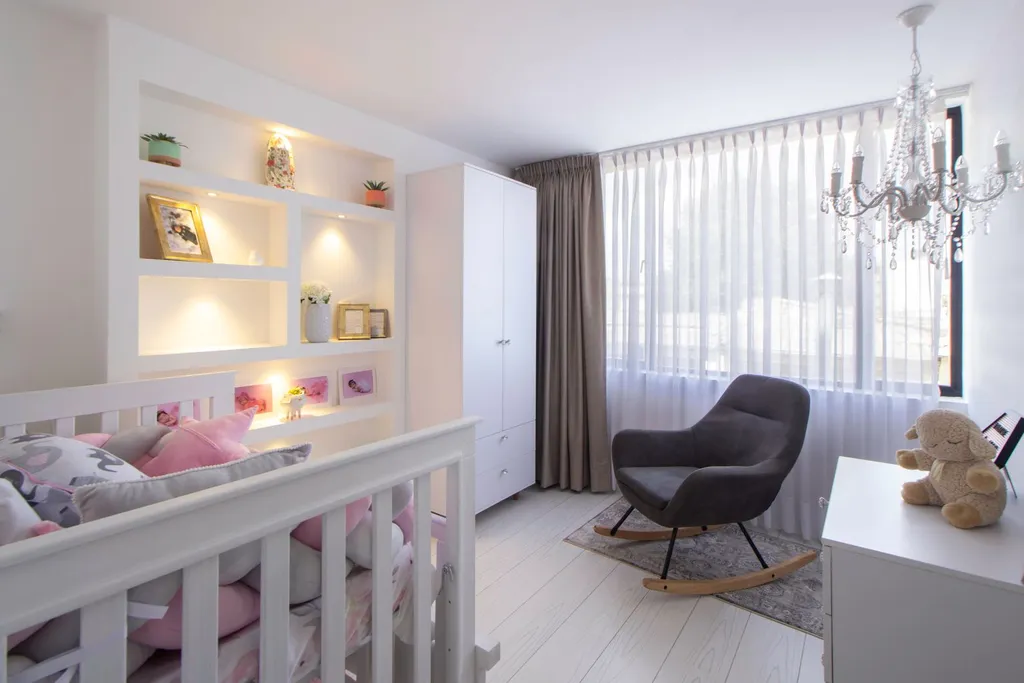
Many mini cribs ship with a thin 1-inch pad. For regular overnight sleep, most parents replace it with a proper 3-inch or 5-inch mini crib mattress. Whatever thickness you choose, run the same safety check as a full-size crib: no more than two fingers of gap between mattress and frame on any side.
Choosing a Mini Crib Mattress Thickness: 1″, 3″ or 5″?
Mini cribs usually arrive with a 1-inch foam pad. That pad is safe to use, but it is the minimum, not the ideal, and it compresses quickly under daily sleep. The two real choices are —
| Thickness | Best For | Watch Out For |
|---|---|---|
| 1″ (included pad) | Occasional naps, travel, grandparents’ spare crib | Thins out fast: check the fit as it compresses |
| 3″ | Everyday sleep in most mini cribs | The balanced choice — firm support, safe rail height |
| 5″ | Everyday sleep where the crib allows it | Raises the sleeping surface — confirm the crib maker’s maximum and that the top rail still sits well above the mattress. |
Whichever thickness you pick, the mattress must stay firm and flat and pass the same fit check as a full-size crib: push it into one corner and make sure no gap at the sides or ends takes more than about an inch — the familiar two-finger limit. A thicker mattress that fits loosely is worse than a thinner one that fits snugly.
Mini and non-full-size crib mattresses sit under the same federal rule — 16 CFR 1241.2 sets dedicated requirements for non-full-size crib mattresses, including that a supplied mattress must be tested with the crib it ships with.
The CPSC’s crib mattress guidance is the plain-language summary of the same standard.
Whatever brand you buy, confirm the label states the mini crib mattress size as 24″ × 38″ — a few imported models use a slightly shorter 37-inch length that leaves a gap.
Mini Crib vs Standard Crib
| Mini Crib | Standard Crib | |
|---|---|---|
| Mattress size | 24″ × 38″ | 28″ × 52″ |
| Best for | Small spaces, travel, second crib | Main nursery crib |
| Typical use until | 18–24 months | 2–3 years |
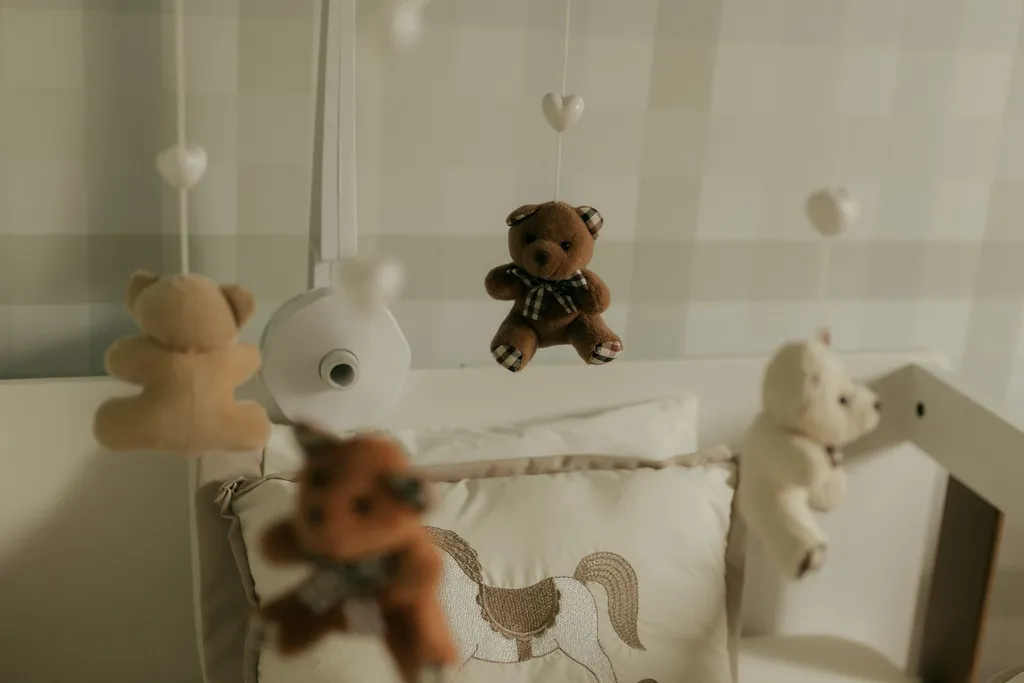
Full details on the standard size are on our crib mattress size page. Because mini cribs are outgrown sooner, many families plan the move to a Twin bed earlier. See all sizes in the mattress sizes chart.
The full-size rules — federal dimensions, thickness caps and the corner-gap test — are explained on our crib mattress size page.
Fitting a Mini Crib Into a Small Nursery
The mini crib exists for tight floor plans, and the numbers show why: at roughly 40 inches long overall, it takes about a foot less wall than a standard crib and can sit in an alcove, a wide closet conversion, or the parents’ bedroom corner — the arrangement the AAP’s room-sharing guidance makes common in the first six months. Leave a few inches behind the crib for air flow and blind cords well out of reach, and check that the crib’s folding or wheeled design (many mini cribs fold flat) still locks and passes the fit test every time it is set back up.
That room-sharing arrangement follows the American Academy of Pediatrics’ advice — see the AAP’s parent guide at HealthyChildren.org on keeping a sleeping baby safe.
When to Move Up From a Mini Crib
Plan the exit from day one. Most children outgrow a 38-inch mattress at 18–24 months — earlier if your baby is tall for their age, because the sleeping length, not the width, runs out first. The signs are consistent: your child can climb or lean over the rail, their head and feet both come close to the ends, or the manufacturer’s height/weight limit is reached. At that point the next step is a toddler bed or a standard Twin on a low frame — not a standard crib, which the child will outgrow almost as quickly.
For that next bed, the Twin size guide (38″ × 75″) covers dimensions, bunk-bed thickness limits and minimum room sizes.
Related Mattress Size Guides
- Crib Mattress Size — 28″ × 52″, the federal standard size
- Twin Size Mattress Dimensions — the bed after the crib years
- Mattress Size Guide & Finder — every size, one guide
Comparing every baby and child bed size in one place? Start with the full mattress size guide.
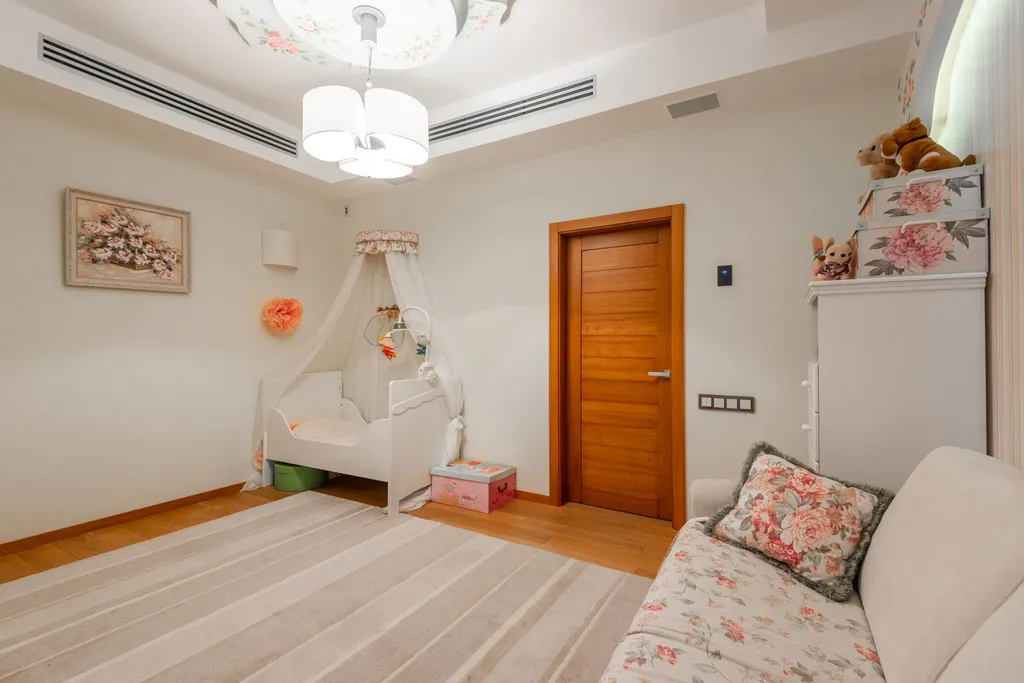
Sheets follow the same rule: buy sets labeled for the mini crib mattress size (24″ × 38″) rather than standard crib sheets, which will bunch and ride loose.
Frequently Asked Questions
What size is a mini crib mattress?
24 inches by 38 inches (61 × 97 cm).
Will a standard crib mattress fit a mini crib?
No. A standard crib mattress (28″ × 52″) is far too big for a mini crib, and a mini crib mattress in a standard crib would leave dangerous gaps.
What thickness mini crib mattress should I buy?
3 to 5 inches is the usual choice for everyday sleep. Check your crib manufacturer’s maximum so the rail height stays safe.
Do mini crib sheets exist?
Yes — buy sheets labeled “mini crib” or “24 × 38”. Standard crib sheets will not fit.
Sources: US Consumer Product Safety Commission (CPSC) — 16 CFR 1241 crib mattress standard (via eCFR / Cornell LII); American Academy of Pediatrics — HealthyChildren.org Safe Sleep guide.