
Crib Mattress Size
Quick answer: a standard crib mattress is 28 inches wide × 52 inches long (71 × 132 cm), with a thickness of up to 6 inches. Unlike other mattress sizes, this one is set by US federal safety regulation, so a standard crib mattress fits every standard full-size crib.
Short answer: The standard crib mattress size is 28 inches wide × 52 inches long (71 × 132 cm), between 4 and 6 inches thick. It is the only mattress size fixed by US federal safety rules, so any standard crib mattress fits any standard full-size crib — as long as it passes the snug-fit test below.
Standard Crib Mattress Dimensions
| Measurement | Inches | Centimeters |
|---|---|---|
| Width | 28″ | 71 cm |
| Length | 52″ | 132 cm |
| Thickness | 4″–6″ typical (6″ max) | 10–15 cm |
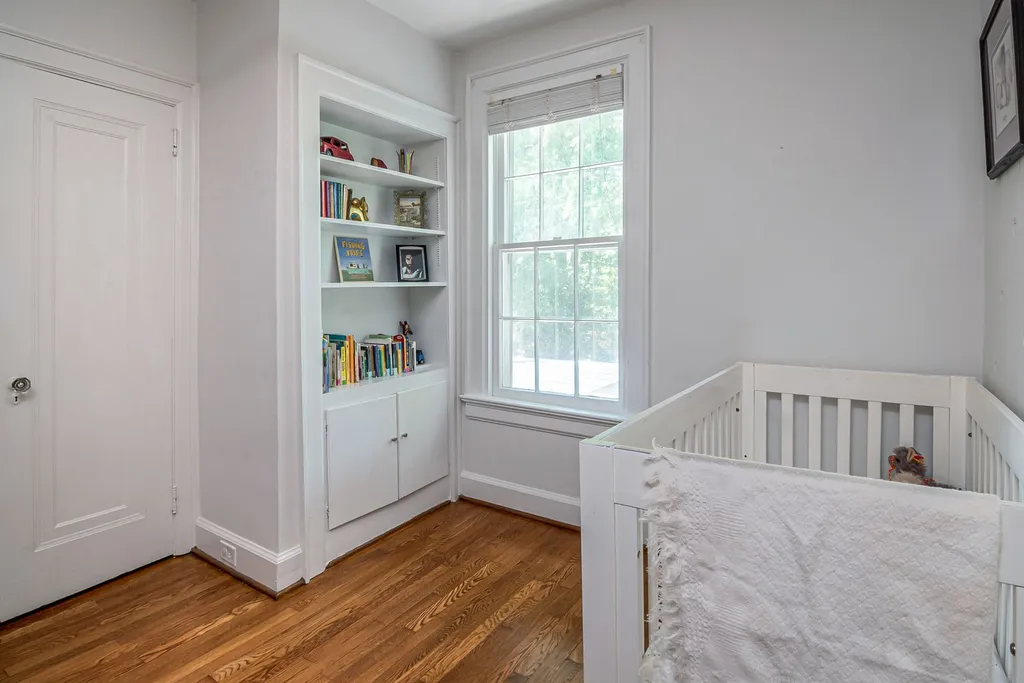
Federal rules (16 CFR 1241) require a full-size crib mattress to be at least 27.25″ × 51.25″ and no more than 28″ × 52″, so it fits the standard crib interior (28″ × 52⅜”) snugly. The fit is a safety feature, not a style choice.
The Federal Standard Behind the Size
Crib sizing is precise because it is law, not convention. Under the federal safety standard for full-size cribs (16 CFR 1219, which adopts ASTM F1169), a full-size crib’s interior must measure about 28 inches wide × 52⅜ inches long. The companion standard for crib mattresses (16 CFR 1241, adopting ASTM F2933) then requires a full-size crib mattress to measure at least 27¼ inches wide × 51⅝ inches long and no more than 6 inches thick. Working together, the two rules guarantee a snug fit in every compliant crib. The same standards cap the gap between crib slats at no more than 2⅜ inches — narrow enough that a baby’s head cannot pass between them — which is why no crib sold in the US today may have wider slat spacing or a drop side.
You can read the mattress requirements in full in 16 CFR 1241.2, the federal requirements for crib mattresses, published via the eCFR and Cornell’s Legal Information Institute.
The Two-Finger Fit Test
When the mattress is in the crib, press it against one side: if you can fit more than two fingers between the mattress and the crib frame on the other side, the gap is too wide and the mattress should be replaced. Gaps are an entrapment risk for babies. Check the fit again whenever you move the mattress or change the crib’s height setting.
The Corner-Gap Test (How Mattresses Are Certified)
The two-finger test is the parent version of a formal lab measurement. In the federal test, the mattress is pushed firmly into one corner of the crib, and the gap at the opposite corner is measured: it must not exceed 3.15 inches. You can approximate the same check at home:
- Place the mattress in the crib and push it snugly against one corner, touching two sides.
- Go to the opposite corner and measure the widest remaining gap between the mattress edge and the crib.
- If two fingers fit easily side by side in that gap — roughly an inch or more of open space — treat the fit as too loose and do not use that mattress in that crib.
Repeat the check at the mattress’s final height setting, because bases and side rails sit differently as the platform is lowered.
Fit is only half of safe sleep — the American Academy of Pediatrics’ parent site, HealthyChildren.org, sets out the rest (back sleeping, a bare crib, room-sharing) in its parents’ guide to safe sleep.
Crib vs Mini Crib
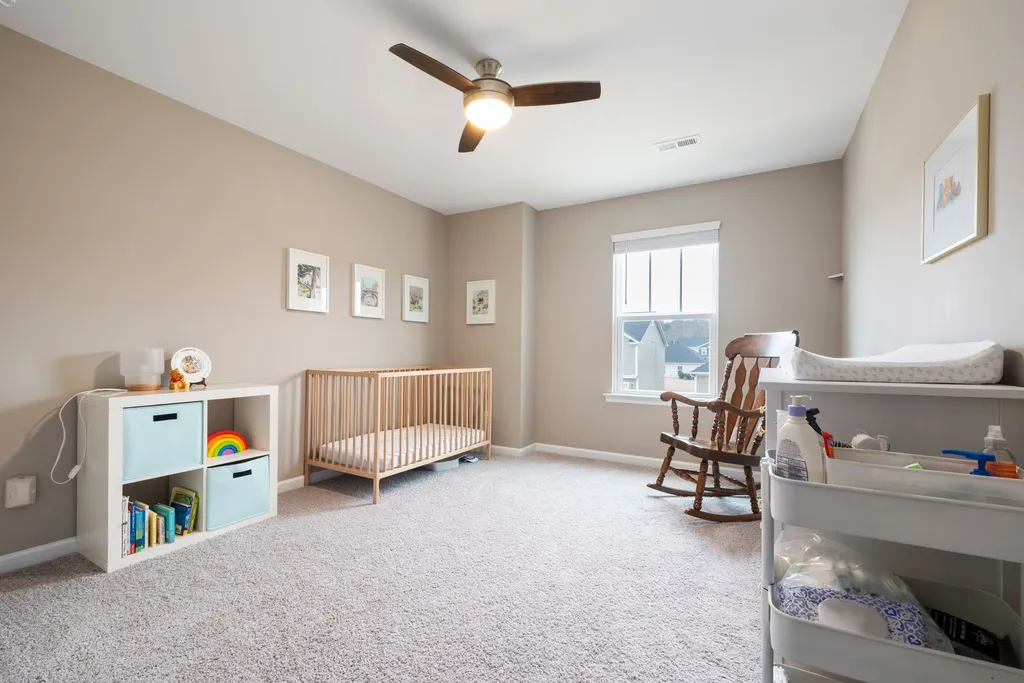
A mini crib mattress is smaller — 24″ × 38″ — for mini cribs used in small nurseries and apartments. The two sizes are not interchangeable: never put a standard crib mattress in a mini crib or the reverse. All sizes are listed in our mattress sizes chart.
Everything about the smaller size — thickness choices, sheets and when babies outgrow it — is on our mini crib mattress size page.
When to Move On
Most children move from a crib mattress to a Twin bed (38″ × 75″) between ages 2 and 3, or once they can climb out. Crib mattresses are firm by design for infant safety — do not reuse a soft, sagging crib mattress for a newborn.
When that move comes, most families go straight to a single bed: the Twin size guide (38″ × 75″) covers the dimensions, bunk rules and room sizes.
What About Play Yards and Travel Cribs?
Play yards, pack-and-plays and travel cribs are non-full-size products, and they do not take a 28″ × 52″ mattress. Their mattresses and pads are model-specific sizes supplied or approved by the manufacturer, and the federal rules treat them under the same crib-mattress standard (16 CFR 1241) with their own requirements. Never pad a play yard with a folded blanket or an aftermarket mattress that was not made for that exact model: extra padding that lifts or gaps around a baby is exactly the hazard the standards exist to prevent.
The CPSC’s business guidance on crib mattresses explains how the same standard covers play-yard and non-full-size mattresses.
Related Mattress Size Guides
- Mini Crib Mattress Size — 24″ × 38″, for small nurseries
- Twin Size Mattress Dimensions — the next bed after the crib
- Mattress Size Guide & Finder — every size, one guide
Planning the whole nursery progression at once? Our mattress size guide walks through every bed size, from mini crib to King.

Frequently Asked Questions
What is the standard crib mattress size?
28 inches by 52 inches (71 × 132 cm), regulated by US federal safety standards.
Do all crib mattresses fit all cribs?
All standard (full-size) cribs and standard crib mattresses follow the same regulated dimensions, so yes — but always run the two-finger fit test after setup.
How thick should a crib mattress be?
Between about 4 and 6 inches; federal rules cap thickness at 6 inches for full-size cribs.
What size sheets fit a crib mattress?
Standard crib sheets are made for 28″ × 52″. Mini crib sheets (24″ × 38″) are a different size and will not fit.
Sources: US Consumer Product Safety Commission (CPSC) — 16 CFR 1219 and 16 CFR 1241 crib standards (via eCFR / Cornell LII); American Academy of Pediatrics — HealthyChildren.org Safe Sleep guide.